
Contents
- 1 Transforming Everyday Items into Works of Introduction
- 2 Table of Contents
- 3 What is Hydro Dipping?
- 4 A Brief History of Hydro Dipping
- 5 How Hydro Dipping Works: Step-by-Step Process
- 6 Applications of Hydro Dipping
- 7 Benefits of Hydro Dipping
- 8 Safety Considerations in Hydro Dipping
- 9 Common Mistakes and How to Avoid Them
- 10 Getting Started with Hydro Dipping at Home
- 11 Conclusion
- 12 FAQs about Hydro Dipping
Transforming Everyday Items into Works of Introduction
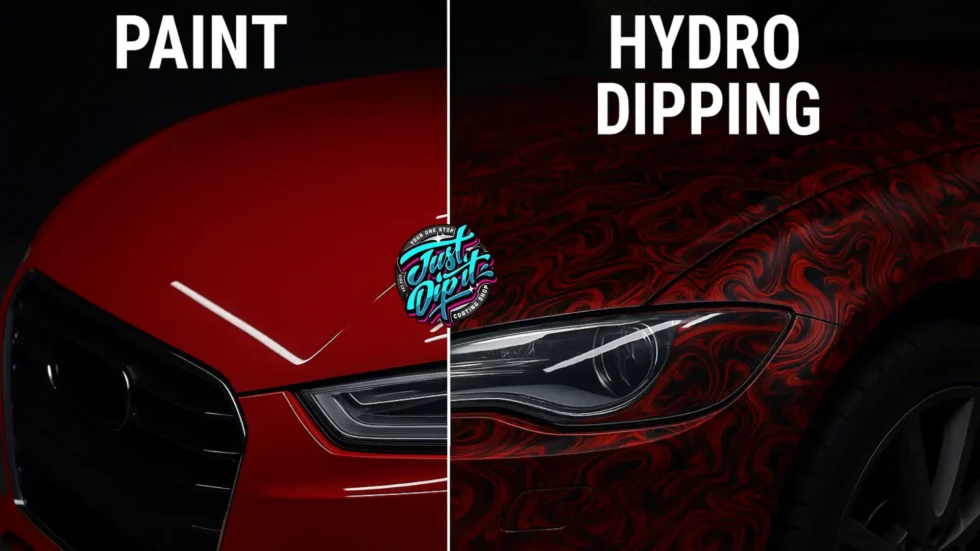
Have you ever looked at a beautifully decorated car rim, a gaming console controller, or even a motorcycle helmet with striking, intricate patterns and wondered how it was done? Chances are, it was created using hydro dipping, also known as water transfer printing. Hydro dipping is a unique customization technique that allows patterns, images, and designs to be transferred onto three-dimensional objects with the help of water. It has become increasingly popular in industries like automotive, fashion, home décor, and DIY crafts due to its versatility, cost-effectiveness, and stunning results.The Ultimate Guide to Hydro Dipping in 2025
This article will take you through everything you need to know about hydro dipping, its history, process, applications, benefits, safety tips, and frequently asked questions. Whether you’re an artist, a car enthusiast, or simply curious about trying something new, this guide will help you understand why hydro dipping is one of the most exciting customization techniques available today.HOME
Table of Contents
What is Hydro Dipping?
Hydro dipping, or water transfer printing, is a surface decorating process where a printed film floats on water and adheres to an object’s surface when dipped into the liquid. Unlike stickers or paint, the hydro dip film wraps smoothly around curves, edges, and textures, creating a seamless design.The Ultimate Guide to Hydro Dipping in 2025
The designs available are almost limitless—carbon fiber, camouflage, flames, wood grain, marble, metallic effects, or even custom graphics. Once dipped and sealed with a protective clear coat, the object gains a durable and eye-catching finish.The Ultimate Guide to Hydro Dipping in 2025
A Brief History of Hydro Dipping
The origins of hydro dipping date back to the late 20th century, when Japanese innovators experimented with transferring images onto surfaces using water. Over time, the process was refined, patented, and adopted by industries such as automotive and firearms for custom finishes. Today, hydro dipping has evolved into a mainstream customization technique accessible to hobbyists and professionals alike. The Ultimate Guide to Hydro Dipping in 2025
How Hydro Dipping Works: Step-by-Step Process
Hydro dipping may sound like a complicated process, but with the right tools and preparation, anyone can achieve professional-quality results. Here’s a breakdown:The Ultimate Guide to Hydro Dipping in 2025
1. Preparation
- Clean the object: Remove dirt, grease, and dust using soap and water or a degreaser.
- Sand the surface: Light sanding helps the primer adhere better.
- Apply base coat: A primer or paint base coat is applied, usually in a color that complements the film design.
2. Film Activation
- The hydrographic film is placed on water in a dipping tank.
- An activator chemical is sprayed to dissolve the film into a liquid ink pattern floating on the water’s surface.
3. Dipping
- The object is slowly dipped into the water at an angle, allowing the design to wrap evenly around its surface.
- The water pressure ensures the design adheres to curves and corners.
4. Rinsing and Drying
- The object is rinsed with clean water to remove any excess film.
- It is left to dry completely before applying a clear coat.
5. Sealing with Clear Coat
- A protective clear coat is sprayed onto to add durability and shine.
- This step ensures the design resists scratches, UV damage, and everyday wear. The Ultimate Guide to Hydro Dipping in 2025
Applications of Hydro Dipping
Hydro dipping can be used on almost any surface that can withstand water immersion and hold a base coat. Some common applications include:The Ultimate Guide to Hydro Dipping in 2025
1. Automotive Customization
- Car dashboards, rims, trims, and interior panels
- Motorcycle helmets and fuel tanks
- Racing gear accessories.The Ultimate Guide to Hydro Dipping in 2025
2. Electronics and Gaming
- Gaming controllers and consoles
- Laptops and phone cases
- Headphones and speakers
3. Sports and Outdoor Gear
- Bicycles, skateboards, and helmets
- Hunting equipment like bows, knives, and firearms (non-critical parts)
- Fishing rods and camping gear
4. Home Décor and Furniture
- Picture frames and mirrors
- Kitchen utensils and tools
- Furniture accents like chair legs, knobs, and handles
5. Fashion Accessories
- Sunglasses frames
- Watches and jewelry boxes
- Shoes and handbags (special coatings required)
Benefits of Hydro Dipping
- Versatility – Works on plastic, metal, wood, ceramics, and even glass.
- Durability – With a protective coat, hydro-dipped objects last longer and resist scratches.
- Cost-Effective – Achieves a premium look at a fraction of the cost of traditional painting.
- Limitless Design Options – From camouflage to marble effects, customization has no limits.
- DIY-Friendly – With hydro dip kits available, hobbyists can try it at home.The Ultimate Guide to Hydro Dipping in 2025
Safety Considerations in Hydro Dipping
While hydro dipping is safe when performed correctly, precautions are necessary:
- Use protective gear: Wear gloves, goggles, and a respirator mask.
- Work in a ventilated area: The activator chemical produces strong fumes.
- Avoid skin contact: The activator and paints can irritate.
- Dispose responsibly: Do not pour chemicals directly into drains.The Ultimate Guide to Hydro Dipping in 2025
Common Mistakes and How to Avoid Them
- Poor surface preparation – Skipping sanding or cleaning can cause peeling.
- Wrong dipping angle – Dipping too quickly or incorrectly leads to stretching.
- Insufficient activator – Too little or too much activator can ruin the film.
- Skipping clear coat – Without sealing, the design fades or scratches easily.The Ultimate Guide to Hydro Dipping in 2025
Getting Started with Hydro Dipping at Home
If you’re new to hydro dipping, start with simple DIY kits available online. They include films, activators, and clear coats. You’ll also need:
- A dipping container (large enough for the object)
- Sandpaper
- Base coat spray paint
- Clear coat finish
- Protective gloves and a mask
Start with small items like mugs, phone cases, or gaming controllers before moving on to bigger projects.The Ultimate Guide to Hydro Dipping in 2025
Conclusion
Hydro dipping has revolutionized the world of customization by making it easy to transform ordinary objects into extraordinary works of art. From cars and motorcycles to gaming gear and home décor, the applications are endless. Its ability to produce durable, unique, and professional finishes at an affordable price has made it a favorite for both hobbyists and professionals.The Ultimate Guide to Hydro Dipping in 2025
Whether you’re looking to personalize your car rims, create a one-of-a-kind phone case, or explore a new DIY craft, hydro dipping opens the door to endless creativity. With proper preparation, safety measures, and practice, you can turn everyday items into masterpieces that truly reflect your style.https://www.prabhaauto.com/contact.htm
FAQs about Hydro Dipping
Q1. Can I hydro dip at home without professional equipment?
Yes, you can. With DIY hydro dip kits, you can easily start dipping small items at home. However, for larger or complex objects, professional equipment is recommended.The Ultimate Guide to Hydro Dipping in 2025
Q2. How long does hydro dipping last?
With proper sealing using a high-quality clear coat, hydro-dipped items can last for years. Durability depends on usage and exposure to sunlight, heat, or chemicals.
Q3. Can any object be hydro dipped?
Almost any object can be hydro dipped if it can be painted, submerged in water, and withstand heat curing (for the clear coat). Common materials include metal, plastic, wood, and ceramics.
Q4. Is hydro dipping waterproof?
Yes, the process itself is waterproof, and once sealed with a clear coat, the item is resistant to water and moisture.
Q5. Can hydro dipping be removed?
Yes, hydro dip designs can be sanded off or stripped using solvents, allowing you to re-dip or repaint the object.
Q6. How much does professional hydro dipping cost?
Prices vary depending on size and complexity. Small items like phone cases may cost $20–$50, while larger parts like car rims or helmets can range from $100–$500.
Q7. What is the difference between hydro dipping and painting?
Hydro dipping uses pre-designed films that create complex patterns effortlessly, while painting requires skill and time to replicate such designs.
Q8. Is hydro dipping environmentally friendly?
While hydro dipping uses chemicals, eco-friendly options are becoming available. Always dispose of waste responsibly to minimize environmental impact.